A Simple Donation Bin Routine to Keep Clutter Moving
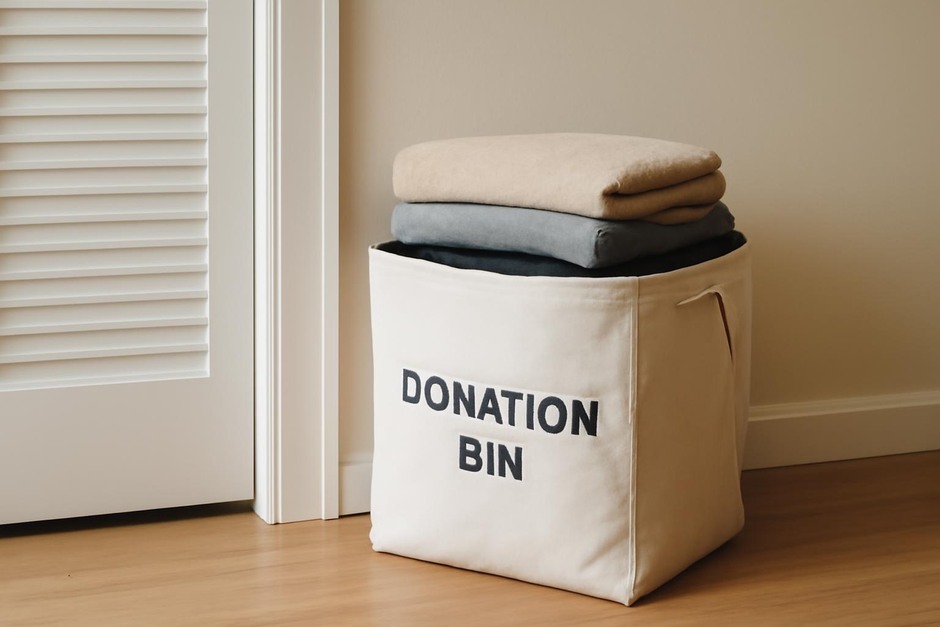
In many homes there’s a quiet pile that grows, mutating into a closet overflow or a corner of near-forgotten items. It starts with good intentions—‘‘I’ll donate that someday’’—and ends with more stuff. The observation: momentum is the missing ingredient. A single, visible donation bin and a tiny set of habits can keep things moving out the door without drama.
1. Choose the right bin and a logical spot
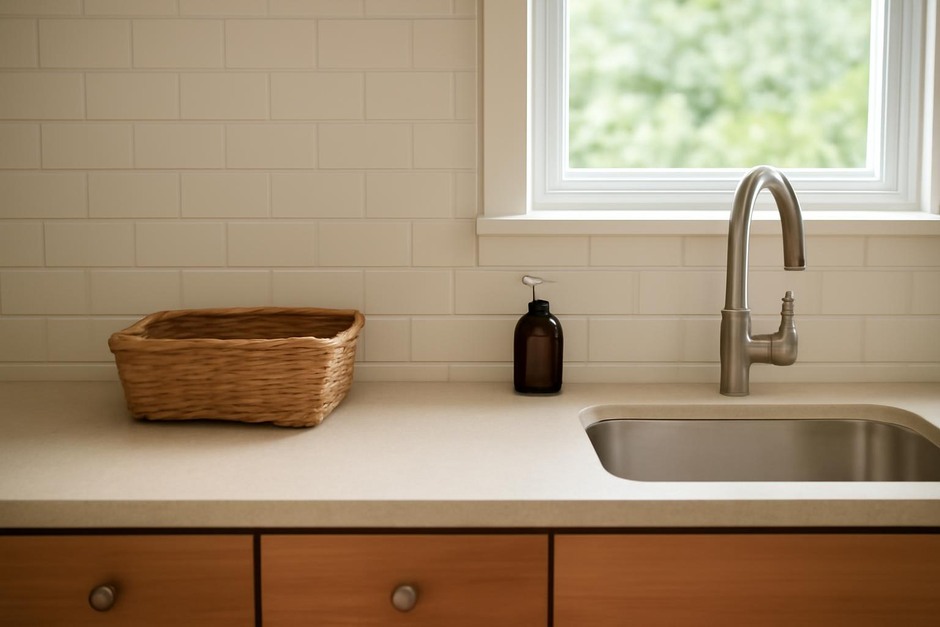
Most donation systems fail because the container is out of sight or the location creates friction. Pick a bin that’s obvious but unobtrusive: a canvas tote, collapsible laundry basket, or a shallow plastic crate. The goal is visibility without tripping over it.
- Size: one- to two-week capacity for your household—large enough to hold momentum, small enough to prevent procrastination.
- Material: washable canvas or a plastic bin that can be carried easily. Handles matter.
- Placement options: near the primary closet, by the entryway, or adjacent to the laundry area—where you first touch an item and can decide its next life.
Label the bin simply: “Donate”. A clear label reduces decision friction for everyone in the home.
2. Use a short decision rule to prevent overthinking
When each item arrives at the bin, a long checklist kills momentum. Replace it with a compact decision rule you can apply in 5–10 seconds. Here are three examples—pick one that matches your priorities:
- Condition rule: If it’s worn beyond how you’d present it to someone else, donate or recycle it.
- Fit-and-frequency rule: If you haven’t used or worn it in the last 12 months, and it doesn’t have a clear upcoming use, it goes in the bin.
- Joy-and-purpose rule: If it doesn’t serve a purpose or spark a small positive feeling, let it go.
Attach the rule to the bin or keep a short card nearby. When others in the household ask what qualifies, you can point to the rule instead of launching into a debate.
3. Make daily micro-actions part of existing tasks
The easiest habits piggyback on routines you already do. Instead of creating a new chore, add a tiny step to a habit you already have.
- Morning closet check: when you get dressed, scan for one item that could move to the bin.
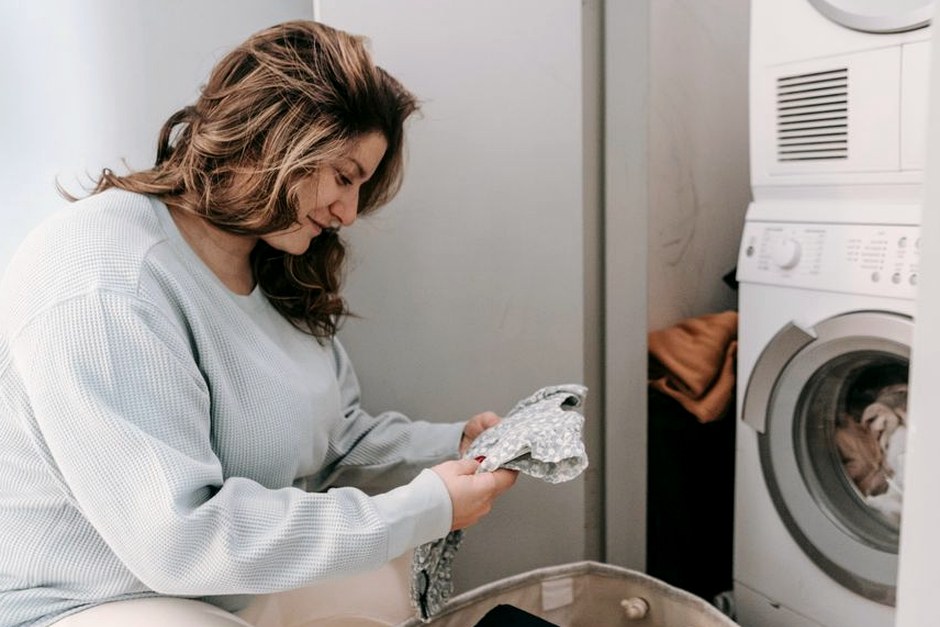
- Laundry pairing: fold laundry and set aside one item that no longer fits or isn’t desired.
- Entryway triage: when you come in with a package or a new item, decide immediately if something else should leave.
These micro-actions take 10–30 seconds each and prevent accumulation. If you miss a day, don’t reset—just continue the next time. The point is steady movement, not perfection.
4. Weekly processing: commit to a short ritual
A weekly processing ritual clears the bin into its next destination before it becomes a storage zone. Schedule a consistent 10–20 minute window—after laundry, before trash pickup, or Sunday morning—and use a simple checklist:
- Quickly scan the bin for anything that changed your mind about and return it.
- Sort items into donation bags, recycling, and trash (one pass per item).
- Seal donation bags and place them by the door, in your car, or in a designated spot for drop-off within the next 48–72 hours.
If you prefer minimal trips, accumulate a modest number of bags but set a firm deadline for drop-off. The key is to avoid letting the bin hold items indefinitely.
Conclusion
A small donation bin becomes powerful when matched with straightforward rules and short, regular actions. The system’s strength lies in reducing decision fatigue and adding gentle structure: visible container, a one-line decision rule, daily micro-actions, and a weekly processing ritual. Try the routine for four weeks as an experiment: notice how often you redirect items to the bin, what decision rule feels most natural, and whether the weekly processing fits your schedule. The goal isn’t to purge; it’s to keep what you use and move the rest along with less fuss.
Practical field note: If motivation wanes, change one small variable—a new bag color, a different bin spot, or a calendar reminder to trigger the weekly ritual. Tiny adjustments restore momentum without overhauling the whole habit.